
Factors That Impact the Cost of New Roofing
Replacing a roof is a major investment. Whether you’re upgrading an old roof or dealing with storm damage, understanding what affects the cost can help you plan better. I’ve seen many homeowners and businesses in the Cincinnati and Tri-State area ask about pricing, and I want to share what I’ve learned. This way, you’ll know what to expect and how to make smart choices.
What Influences the Cost of New Roofing?
Several factors come into play when determining the price of a new roof. It’s not just about the size of your home or building. The materials, labor, and even the roof’s design all matter. Let’s break down the main elements that impact your final bill.
Roof Size and Complexity
The bigger your roof, the more materials and labor you’ll need. But it’s not just about square footage. A simple, flat roof costs less than one with many angles, valleys, or steep slopes. Complex roofs require more time and skill to install, which drives up the price.
For example, a two-story home with multiple dormers will cost more to reroof than a single-story ranch with a straightforward design. If your roof has chimneys, skylights, or vents, these features add to the complexity and cost.
Choice of Roofing Materials
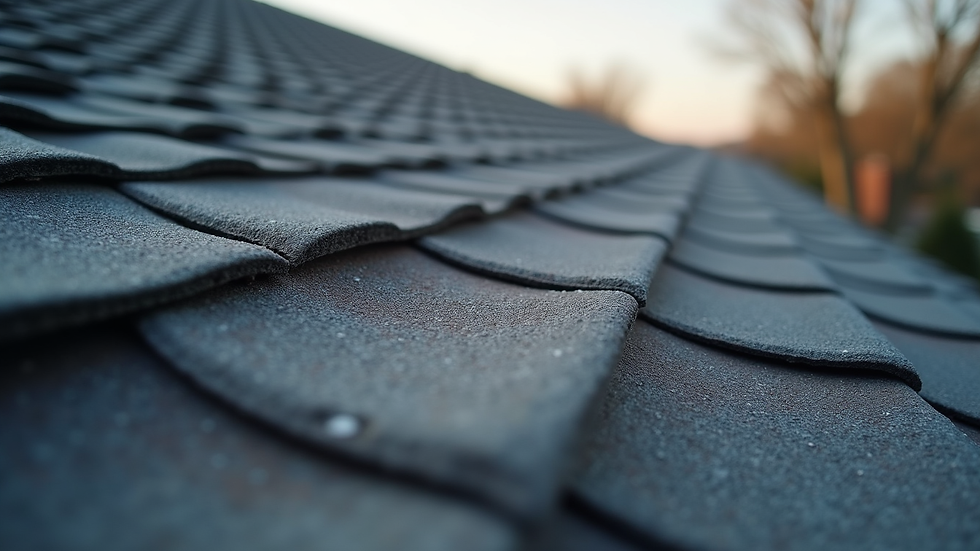
The type of material you pick has a huge impact on the cost. Asphalt shingles are the most common and affordable option. They come in various grades and styles, but generally, they are budget-friendly and durable.
On the other hand, materials like metal, slate, or tile are more expensive but offer longer lifespans and unique aesthetics. Metal roofs, for instance, can last 40-70 years and resist extreme weather, but they come with a higher upfront cost.
Here’s a quick comparison:
Asphalt shingles: $100 - $150 per square (100 sq ft)
Metal roofing: $300 - $700 per square
Slate or tile: $600 - $1,500 per square
Choosing the right material depends on your budget, style preferences, and how long you plan to stay in the building.
Labor and Installation Costs
Labor costs vary depending on your location and the contractor’s expertise. In the Tri-State area, skilled roofing professionals charge competitive rates, but you should expect to pay for quality workmanship.
Installation difficulty also affects labor costs. Steep roofs or those with many obstacles take longer to complete. If your old roof needs to be removed first, that adds time and expense.
Always ask for detailed quotes that separate material and labor costs. This transparency helps you understand where your money goes and spot any hidden fees.
Roof Decking and Structural Repairs
Sometimes, the roof’s underlying structure needs attention. If the decking is damaged by rot or pests, it must be replaced before installing new shingles. This repair can add hundreds or even thousands of dollars to your project.
During inspection, contractors check for soft spots, water damage, and structural integrity. If repairs are necessary, they’ll provide an estimate. Don’t skip this step—it ensures your new roof has a solid foundation.
Permits and Local Regulations
Depending on your city or county, you might need permits for roof replacement. These permits ensure the work meets safety and building codes. Permit fees vary but usually range from $100 to $500.
Hiring a contractor who handles permits for you can save time and hassle. It’s important to comply with local rules to avoid fines or problems when selling your property.

How Weather and Timing Affect Your Project
Weather plays a big role in roofing projects. In Cincinnati and the surrounding Tri-State area, seasonal changes can impact both cost and scheduling.
Seasonal Demand and Pricing
Roofing companies are busiest in spring and summer when weather is ideal. During these months, prices might be higher due to demand. If you can schedule your project in early fall or late winter, you might find better rates and quicker service.
Weather Delays and Material Damage
Rain, snow, or extreme heat can delay work and damage materials. If a project is interrupted, labor costs can increase. Also, some materials are sensitive to temperature and humidity, affecting installation quality.
Planning your roof replacement during mild weather reduces risks and keeps costs down.
Financing and Warranty Options
Replacing a roof is a big expense, but there are ways to manage the cost.
Financing Plans
Many contractors offer financing options with low or no interest. This can spread payments over months or years, making the project more affordable. Check the terms carefully and choose a plan that fits your budget.
Warranties and Long-Term Value
A good warranty protects your investment. Most roofing materials come with manufacturer warranties, and reputable contractors provide workmanship guarantees.
Investing in quality materials and installation might cost more upfront but saves money in the long run by reducing repairs and replacements.
Making Smart Choices for Your Roof Replacement
When planning your roof replacement, keep these tips in mind:
Get multiple quotes - Compare prices and services from at least three contractors.
Check references and reviews - Look for local companies with strong reputations.
Ask about materials - Understand the pros and cons of each option.
Consider energy efficiency - Some roofing materials can lower your energy bills.
Plan for the unexpected - Set aside a contingency budget for repairs or delays.
By staying informed and working with trusted professionals, you can ensure your new roof protects your property and adds value.
If you want to learn more about the roof replacement cost and how it applies to your project, don’t hesitate to reach out to local experts who know the Tri-State area well.
Preparing for Your Roof Replacement Day
On the day your roof is replaced, preparation helps everything go smoothly.
Clear the area - Remove vehicles, outdoor furniture, and decorations near your home.
Protect your belongings - Close windows and doors to keep dust and debris out.
Plan for noise - Roofing work can be loud, so arrange your schedule accordingly.
Communicate with your contractor - Confirm start times and any special instructions.
Being ready helps the crew work efficiently and keeps your property safe.
Looking Ahead: Maintaining Your New Roof
Once your new roof is installed, maintenance is key to extending its life.
Regular inspections - Check for damage after storms or every six months.
Clean gutters and downspouts - Prevent water buildup that can harm your roof.
Trim overhanging branches - Avoid damage from falling limbs.
Address issues promptly - Fix small problems before they become costly repairs.
A well-maintained roof protects your investment and keeps your home or business safe for years to come.
By understanding these factors, you can approach your roof replacement with confidence. It’s a big job, but with the right knowledge and team, you’ll get a durable, beautiful roof that stands up to the Tri-State weather and adds lasting value to your property.


Comments